



Understanding Hydronic Systems: The Ultimate Guide for Residential Comfort
When it comes to heating your home, comfort, efficiency, and consistent warmth are paramount. Hydronic heating systems offer an exceptional solution, providing a level of comfort and efficiency that traditional heating methods often struggle to match. These innovative systems utilize heated water circulated through a network of pipes to deliver warmth evenly throughout your residential property, transforming your living space into a haven of gentle, radiant heat.
At MCR Services Inc, we specialize in the design, installation, and maintenance of advanced hydronic systems, ensuring that your home benefits from cutting-edge heating technology tailored to your specific needs. This comprehensive guide will delve into the intricacies of hydronic heating, exploring its benefits, types, maintenance requirements, and how it stands as a superior heating choice for modern homes.
What Exactly Are Hydronic Systems?
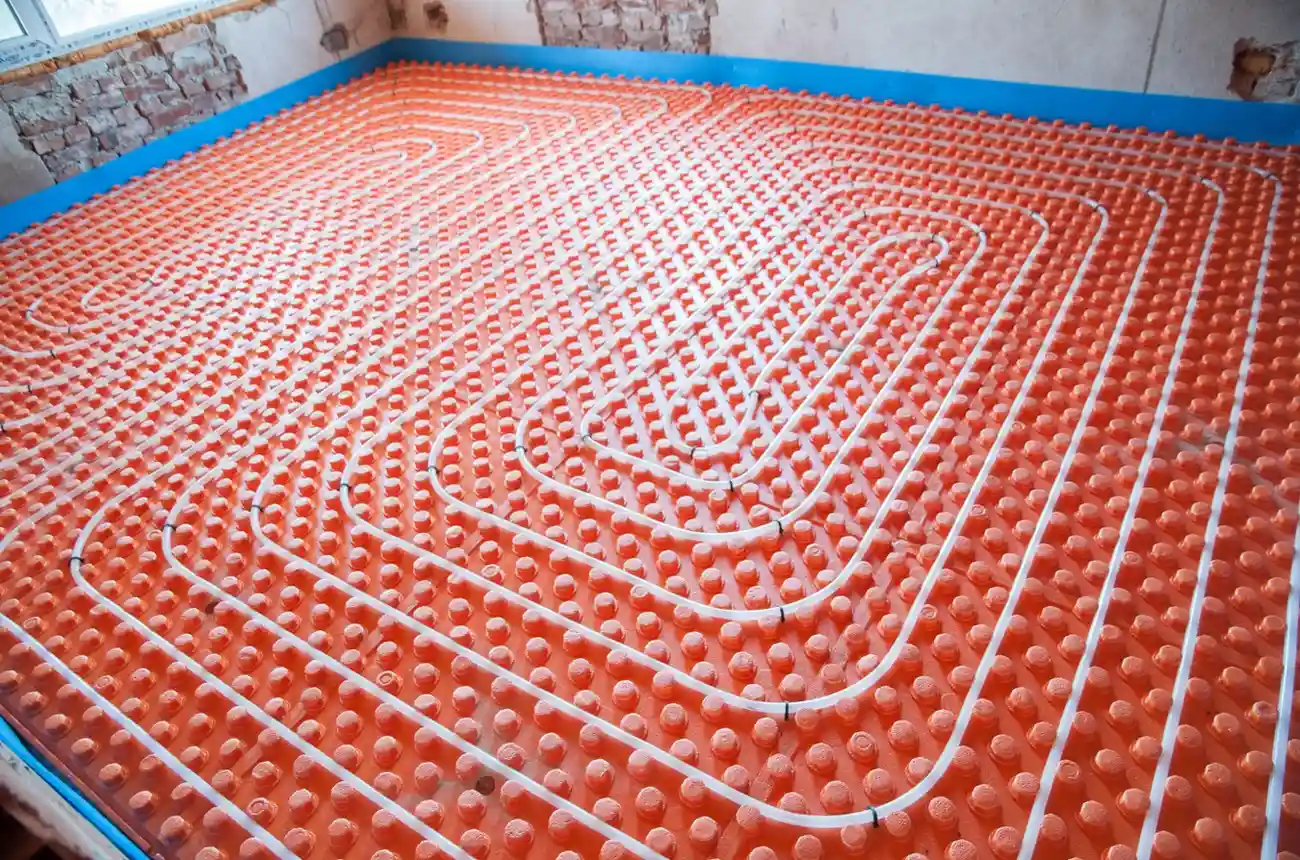
At its core, a hydronic system is a heating method that uses water (or a water-glycol mixture) as the heat transfer medium. A boiler heats the water, which is then circulated through sealed pipes embedded in floors, within baseboard heaters, or through wall-mounted radiators. As the warm water moves through these emitters, it releases heat into the surrounding area, creating a consistent and comfortable indoor environment. Unlike forced-air systems that blow hot air, hydronic systems rely on radiant heat, warming objects and surfaces directly, which then radiate heat into the room. This results in a more natural and less intrusive warmth, similar to the warmth felt from the sun.
Types of Hydronic Heating Systems for Your Home
Hydronic systems come in various configurations, each suited for different applications and aesthetic preferences:
- Radiant Floor Heating: Perhaps the most popular form, this system involves embedding flexible tubing directly into the subfloor. Heated water flows through these tubes, turning your entire floor into a low-temperature radiator. This provides incredibly even heat distribution, is completely invisible, and is a favorite for new constructions or major renovations.
- Baseboard Radiators: These units are installed along the base of walls, similar to traditional baseboards. They contain fins through which hot water circulates, heating the air that rises and draws in cooler air from below, creating a convective cycle. They offer a discreet and effective heating solution.
- Panel Radiators: Modern panel radiators are wall-mounted units that come in various sizes and styles, often resembling sleek art pieces. They provide both radiant and convective heat, offering significant design flexibility and efficient heat output.
- Hydro-Air Systems: These hybrid systems combine hydronic heating with a forced-air delivery method. A hydronic coil is integrated into a central air handler, using hot water to heat the air before it's distributed through ductwork. This can be an excellent option for homes seeking the benefits of hydronic heating with existing duct infrastructure or for zoned heating and cooling.
- Snow Melt Systems: While not for interior heating, it's worth noting that hydronic technology extends to outdoor applications, such as embedding pipes under driveways or walkways to prevent snow and ice accumulation, enhancing safety and convenience.
Unparalleled Comfort and Efficiency: Benefits of Hydronic Systems
Choosing a hydronic system offers a multitude of advantages for residential properties:
- Consistent, Even Heat: Hydronic systems eliminate the uneven heating and cold spots often associated with forced-air systems. The radiant heat gently warms surfaces and objects, providing a deeply comfortable and stable temperature throughout your home.
- Exceptional Energy Efficiency: Water is an excellent conductor and retainer of heat. Hydronic systems can operate at lower temperatures more effectively than air-based systems, leading to reduced energy consumption. Zonal control also allows you to heat only the areas you are using, further enhancing efficiency.
- Improved Indoor Air Quality: With no forced air blowing through ducts, hydronic systems do not circulate dust, allergens, pet dander, or other airborne pollutants. This makes them an ideal choice for individuals with allergies or respiratory sensitivities.
- Quiet Operation: Without the noisy fans, blowers, and rushing air sounds of forced-air systems, hydronic heating operates in near silence, contributing to a more peaceful home environment.
- Design Flexibility: Radiant floor heating is completely hidden, offering maximum freedom for interior design. Modern baseboard and panel radiators also come in aesthetically pleasing designs that complement contemporary interiors.
- Increased Home Value: A hydronic heating system is considered a premium feature that can significantly enhance the resale value and appeal of a residential property.
Addressing the Considerations: Potential Drawbacks
While the benefits are compelling, it's important to consider a few aspects:
- Higher Upfront Installation Cost: The initial investment for a hydronic system, particularly radiant floor heating, can be higher than that of a conventional forced-air system due to the complexity of piping and installation.
- Slower Response Time: Hydronic systems take longer to heat up from a cold start compared to forced-air systems because they are heating a larger mass (water and floor/radiator materials). However, once at temperature, they maintain warmth very consistently.
The Installation Process: What to Expect
The installation of a hydronic heating system is a complex task that requires specialized expertise. It typically involves:
- System Design: Sizing the boiler, pump, and piping, and designing the layout of the heating loops to ensure optimal heat distribution.
- Boiler Placement: Installing the boiler in a suitable location, often in a utility room or basement.
- Piping and Emitter Installation: Laying the extensive network of PEX or copper tubing for radiant floors, or installing baseboard/panel radiators and connecting them to the main piping.
- System Filling and Pressure Testing: Filling the system with water (and often a corrosion inhibitor), pressurizing it, and checking for leaks.
- Controls Integration: Installing thermostats, zone valves, and system controls for efficient operation.
Due to the precision required, professional installation by experienced technicians is crucial for the long-term performance and efficiency of your hydronic system.
Maintaining Your Hydronic System for Longevity and Performance
Proper maintenance is key to ensuring your hydronic system operates efficiently for decades. While hydronic systems are known for their durability, regular checks and professional servicing are essential:
- Annual Professional Inspection: Schedule an annual check-up with a qualified technician to inspect the boiler, circulating pumps, expansion tank, relief valves, and overall system pressure. This helps identify potential issues before they become major problems.
- Check System Pressure: Periodically monitor the pressure gauge on your boiler. It should typically be between 12-18 PSI when cold. Low pressure might indicate a leak, while high pressure could signal an issue with the expansion tank or relief valve.
- Bleeding Radiators/Lines (If Applicable): If you notice cold spots on your radiators or hear gurgling sounds, it might indicate air trapped in the system. Bleeding the air out using a radiator key can restore even heating.
- Use Corrosion Inhibitors: Ensure the system's water contains appropriate corrosion inhibitors. This is vital for protecting the internal components of the boiler, pipes, and emitters from rust and scale buildup.
- Leak Detection: Be vigilant for any signs of leaks around pipes, valves, or radiators. Address leaks promptly to prevent water damage and loss of system pressure.
- Thermostat Checks: Ensure your thermostats are functioning correctly and accurately reading room temperatures. Calibrate or replace them if necessary for optimal zonal control.
Hydronic vs. Forced Air: A Comparative Look
When evaluating heating options, hydronic systems often stand out against forced-air alternatives:
- Heat Distribution: Hydronic offers gentle, radiant heat warming objects and surfaces, resulting in stable, even temperatures. Forced air primarily warms the air itself, which can lead to temperature stratification and cold spots.
- Energy Efficiency: Hydronic systems generally boast higher energy efficiency due to water's superior heat retention and transfer capabilities, and the ability for precise zonal control.
- Indoor Air Quality: Hydronic systems do not circulate airborne particles, leading to significantly better indoor air quality compared to forced-air systems that can spread dust, allergens, and pet dander.
- Noise Level: Hydronic systems operate silently, providing a quiet heating experience, whereas forced-air systems can be noisy with fan operation and air moving through ducts.
- Installation Cost & Complexity: Hydronic systems typically have a higher initial installation cost and more complex installation requirements.
- Responsiveness: Forced air heats up quickly, but also cools down fast. Hydronic systems have a slower response time but offer superior thermal stability and longer-lasting warmth once operating.
Embracing Innovation: Technological Advances in Hydronic Heating
The world of hydronic heating is continuously evolving, with new technologies enhancing efficiency, control, and integration:
- High-Efficiency Condensing Boilers: Modern boilers are incredibly efficient, often achieving efficiencies over 95%. Condensing technology recovers heat from exhaust gases, significantly reducing energy waste.
- Smart Thermostats and Advanced Zonal Control: Smart thermostats allow for remote control, learning capabilities, and precise temperature management in different zones of your home, optimizing comfort and energy use.
- Outdoor Reset Controls: These intelligent controls adjust the boiler's water temperature based on the outdoor temperature, ensuring the system only uses the necessary energy to maintain comfort.
- Integration with Renewable Energy: Hydronic systems are highly compatible with renewable energy sources like solar thermal panels or geothermal heat pumps, allowing for a sustainable and eco-friendly heating solution.
For homeowners seeking a premium, efficient, and comfortable heating solution for their residential property, hydronic systems represent a wise investment. Their ability to deliver consistent warmth, improve indoor air quality, and operate silently makes them an ideal choice for modern living.
Upgrade to Smarter, Healthier Heating with Hydronic Systems
Discover the unmatched comfort of Hydronic Heating Systems in Sunny Slopes, CA with MCR Services Inc. Our team specializes in designing, installing, and maintaining advanced hydronic solutions that deliver even, radiant warmth while improving indoor air quality and reducing energy costs. From radiant floor heating to sleek panel radiators, we tailor every system to your home’s unique needs. Experience quiet operation, efficient performance, and long-term value. Call MCR Services Inc. today to schedule a consultation and take the first step toward superior home comfort.
