



Hydronic Systems in Wilkerson, CA
Hydronic heating represents a sophisticated and highly efficient method of warming indoor spaces, utilizing water or a steam-based medium to distribute heat. Unlike forced-air systems that rely on heated air blown through ducts, hydronic systems circulate heated fluid through a sealed network of pipes, delivering consistent and radiant warmth throughout a building. This approach offers significant advantages in terms of comfort, energy efficiency, and overall indoor air quality. For property owners considering a superior heating solution, understanding the intricacies and benefits of hydronic systems is crucial. MCR Services Inc. specializes in the comprehensive design, installation, and maintenance of these advanced heating solutions.
Understanding the Core Components of Hydronic Heating
At the heart of every hydronic system are several key components that work in harmony to deliver heat:
- Heat Source: This is typically a boiler, which heats the water. Modern hydronic systems can also integrate with heat pumps (air-to-water or ground-source) for even greater efficiency, especially in climates where cooling is also a consideration.
- Pipes and Pumps: A network of durable pipes, often made from copper, PEX, or steel, carries the heated fluid to various distribution points. Circulator pumps ensure the water flows efficiently throughout the system.
- Heat Emitters: These are the elements that transfer heat from the circulating fluid into the room. Common examples include:
- Radiators: Traditional cast iron or modern panel radiators provide radiant heat and convection.
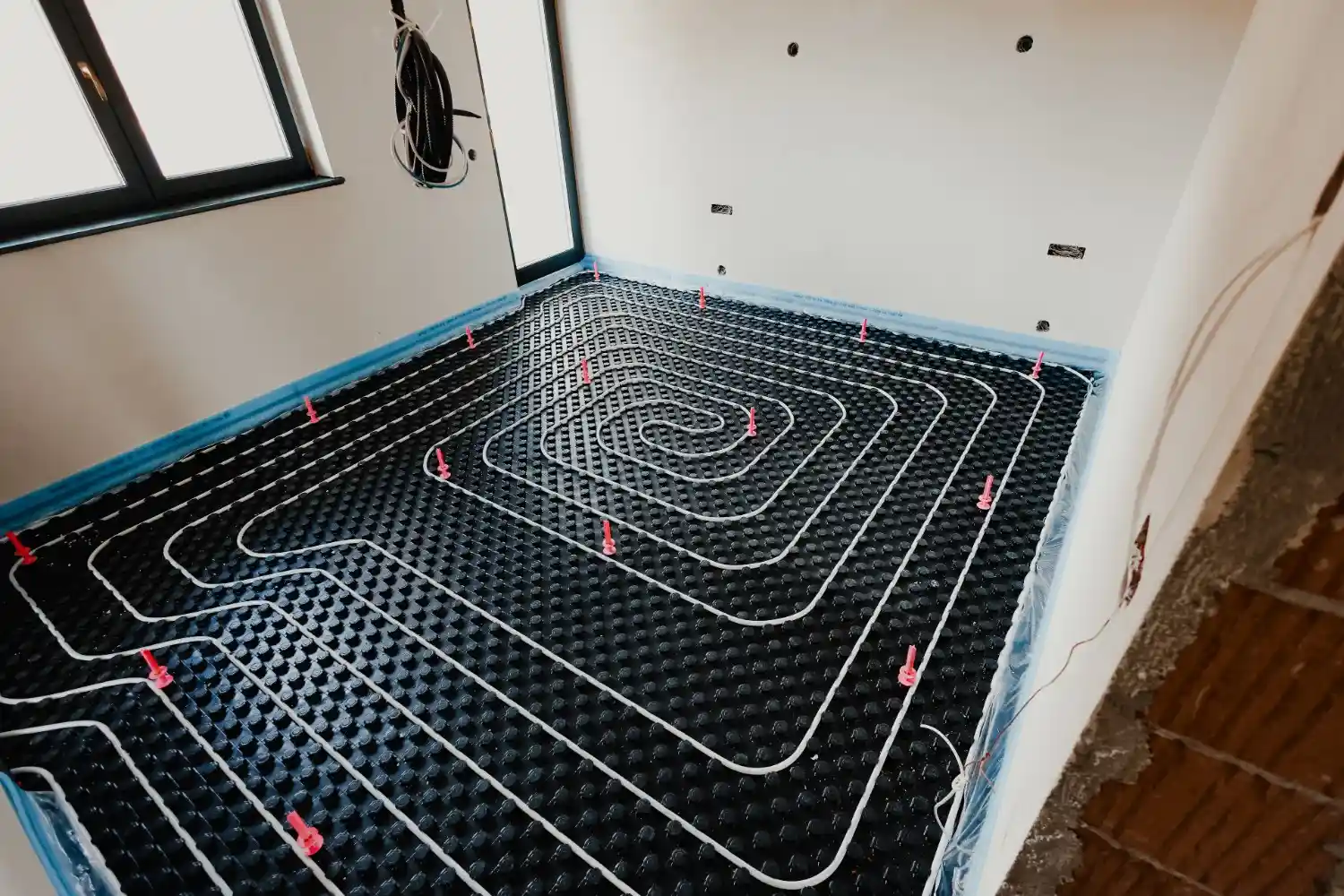
- Underfloor Heating (Radiant Floor Heating): Pipes are installed beneath the floor surface, distributing heat evenly across the entire floor, which then radiates upwards. This is often considered the most comfortable form of heating.
- Baseboard Convectors: Compact units that fit along walls, offering a blend of radiant and convective heat.
- Hydro-Air Coils: These coils can be integrated into existing forced-air ductwork to provide hydronic heating through the air vents, combining the benefits of both systems.
- Thermostats and Controls: Advanced control systems allow for precise temperature management, often enabling zoning to heat different areas of a building independently, further enhancing efficiency and comfort.
Types and Applications of Hydronic Heating Systems
Hydronic systems are incredibly versatile and can be tailored to various applications, from cozy residential homes to expansive commercial complexes.
- Residential Applications:
- Whole-Home Heating: Providing consistent warmth throughout an entire residence via radiators, baseboards, or underfloor heating.
- Zoned Heating: Allowing different rooms or areas to be heated to specific temperatures, ideal for energy savings in multi-story homes or homes with varying occupancy patterns.
- Domestic Hot Water Integration: Many boilers can also provide on-demand hot water for showers, faucets, and appliances, streamlining utilities.
- Commercial Applications:
- Large Buildings: Efficiently heating office buildings, schools, hospitals, and industrial facilities.
- Snow Melt Systems: Integrating hydronic pipes under outdoor pavements, driveways, or walkways to prevent ice and snow accumulation, enhancing safety and reducing maintenance.
- Process Heating: Certain industrial processes require precise temperature control, which hydronic systems can provide.
The choice between radiators and underfloor heating often depends on renovation scope, aesthetic preferences, and budget. Underfloor heating is highly efficient and offers unparalleled comfort but typically requires a more involved installation process during new construction or major renovations. Radiators are easier to install in existing buildings and provide quick heating.
The Unparalleled Advantages of Hydronic Systems
Opting for a hydronic heating system offers a multitude of benefits that traditional heating methods struggle to match:
- Exceptional Energy Efficiency: Water is a far more efficient conductor and retainer of heat than air. This means hydronic systems require less energy to achieve and maintain desired temperatures. Coupled with zoning capabilities and often lower operating temperatures, they can significantly reduce energy consumption and heating bills.
- Superior Comfort and Radiant Heat: Hydronic systems deliver a gentle, even warmth that radiates from the heat emitters. This eliminates hot and cold spots, drafts, and the dry air associated with forced-air systems, creating a more comfortable and consistent indoor environment.
- Improved Indoor Air Quality: By not circulating air, hydronic systems do not blow dust, allergens, pet dander, or other airborne pollutants around your space. This is a significant advantage for individuals with allergies, asthma, or respiratory sensitivities.
- Quiet Operation: With no noisy fans or air moving through ducts, hydronic systems operate almost silently, contributing to a peaceful indoor atmosphere.
- Durability and Longevity: Properly installed and maintained hydronic systems are known for their robust construction and long lifespan, often outlasting other heating systems by many years.
- Aesthetic Flexibility: With underfloor heating, there are no visible heating elements, offering complete design freedom. Even radiators have evolved into sleek, modern designs that can complement any decor.
Installation Process Considerations
Installing a hydronic system is a complex task that requires specialized knowledge and precision. It typically involves:
- System Design: Tailoring the system to the building's specific heat load requirements, considering insulation, window types, and desired comfort levels. This includes selecting the appropriate boiler, pump sizes, pipe layouts, and heat emitters.
- Piping Installation: Laying the network of pipes, whether within walls, under floors, or connected to radiators. This demands careful planning to ensure optimal flow and minimal heat loss.
- Heat Emitter Integration: Installing radiators, baseboards, or embedding underfloor heating coils.
- Boiler/Heat Pump Setup: Connecting the heat source to the piping network and ensuring proper venting and fuel supply.
- Controls and Zoning: Installing thermostats and control panels to manage temperature and zoning.
- System Filling and Testing: Filling the system with water, purging air, and thoroughly testing for leaks and proper operation.
Maintenance and Troubleshooting for Lasting Performance
While hydronic systems are renowned for their reliability, regular maintenance is key to ensuring their long-term efficiency and performance.
- Annual Professional Inspection: MCR Services Inc. recommends an annual check-up by a qualified technician. This includes inspecting the boiler, pumps, and valves, checking for leaks, and ensuring all components are operating optimally.
- Pressure Monitoring: Regularly checking the system pressure gauge to ensure it stays within the recommended range.
- Bleeding Radiators: Occasionally, air can get trapped in radiators, reducing their heating efficiency. Bleeding them releases this trapped air.
- Circulator Pump Checks: Listening for unusual noises from the pump, which could indicate a problem.
- Water Quality: In some systems, maintaining proper water quality (e.g., pH levels, inhibitors) is crucial to prevent corrosion and scale buildup.
Common troubleshooting issues often relate to low system pressure, air in the lines, or control system malfunctions. Most of these can be easily resolved with professional intervention.
Comparative Analysis: Hydronic vs. Other Heating Systems
When evaluating heating options, hydronic systems stand out in several key areas:
- Vs. Forced-Air Systems: Hydronic systems offer superior comfort, air quality, and quieter operation. Forced-air systems are generally less expensive to install upfront but can be less efficient and distribute allergens.
- Vs. Electric Baseboard Heating: Hydronic systems are significantly more energy-efficient and cost-effective in the long run. Electric baseboards are simple to install but incur high operating costs due to electricity consumption.
- Vs. Wood Stoves/Fireplaces: While offering ambiance, wood stoves require manual fueling, generate ash, and provide less consistent heat distribution compared to whole-building hydronic systems.
Real-World Effectiveness: Case Studies
Consider a family home with an aging forced-air system that struggled with inconsistent temperatures and high energy bills. After upgrading to a zoned hydronic underfloor heating system installed by MCR Services Inc., the homeowners experienced a dramatic improvement in comfort, with even, radiant warmth throughout the house. Their energy consumption for heating decreased by 25%, and the air quality inside improved noticeable, reducing allergy symptoms.
In a commercial office space, MCR Services Inc. implemented a hydronic radiator system, allowing individual offices to control their heating while ensuring the central meeting areas remained comfortably warm. This led to fewer complaints about temperature fluctuations and a more productive work environment, alongside substantial energy savings for the building management.
Frequently Asked Questions
How long do hydronic systems last?
With proper installation and maintenance, hydronic systems can last 20-30 years or even longer.
Is hydronic heating expensive to run?
While the initial installation cost can be higher than some conventional systems, the long-term energy savings often make hydronic heating a very cost-effective choice.
Can hydronic systems also provide cooling?
Some advanced hydronic systems can integrate with chillers to circulate cool water through radiant panels or special coils for cooling, known as "radiant cooling."
How quickly do hydronic systems heat up?
The heat-up time depends on the system type (e.g., underfloor heating has a slower response time than radiators) and external factors. However, once up to temperature, they maintain warmth very efficiently.
Conclusion
Hydronic systems offer a sophisticated, energy-efficient, and supremely comfortable heating solution for any property. Their ability to deliver consistent, radiant heat without circulating air pollutants makes them an ideal choice for superior indoor comfort and health. From diverse heating configurations like radiant floors and traditional radiators to their robust design and long-term cost savings, hydronic heating stands as a prime investment in your property's comfort and value.
For professional expertise in designing, installing, or servicing hydronic systems that meet your specific needs, trust the experienced team at MCR Services Inc.
