Scheduling Your Furnace Startup Before the First Mammoth Snowfall
Scheduling Your Furnace Startup Before the First Mammoth Snowfall
The Hidden Risks of Firing Up a Dormant Furnace in Extreme Cold
September in the Eastern Sierra is the critical window for scheduling your furnace startup before the first Mammoth snowfall. At MCR Services Inc., our team has seen firsthand how fast the brief transition between summer dormancy and extreme high-altitude cold closes, as the weather shifts from mild afternoons to freezing nights in a matter of days. Many homeowners wait until the first heavy frost to adjust their thermostats, only to discover their heating system refuses to ignite. By taking action in the early fall, you can secure comprehensive heating services and enroll in a reliable preventative maintenance plan before our local technicians are overwhelmed by winter emergencies.
The primary risk of leaving your heating system unchecked until the weather turns is the sheer unpredictability of dormant mechanical parts. A furnace that ran perfectly last April has been sitting idle for months. During that time, dust settles, connections can loosen, and minor corrosion can develop on sensitive electronic components. When you finally demand heat on a freezing October night, those invisible seasonal issues manifest as a total system lockout.
The reality of early-season snowfall:
• Immediate demand: High-altitude climates experience sudden, severe temperature drops that require your heating system to run at full capacity instantly.
• Access restrictions: Heavy, early snowfalls can make roads difficult to navigate, slowing down emergency response times across the region.
• Schedule congestion: The first freezing week of the year always triggers a massive spike in no-heat emergency calls, booking up local technicians for days.
Addressing these hidden risks during the September pre-snowfall window ensures that your system is tested, cleaned, and verified while the weather is still cooperative. Proactive preparation is a strategy we constantly recommend as the only reliable way to guarantee your home remains warm and safe when the first major winter storm rolls over the mountains.
Why Summer Dormancy Leads to Furnace Ignition Failure
To understand why a furnace might fail on its first run of the season, you have to look at the mechanical realities of a system that has sat idle for half the year. Summer dormancy creates the perfect environment for minor, invisible issues to develop into complete system lockouts. In our experience servicing properties throughout Mammoth Lakes CA, where homes are often closed up or transitioning between seasonal uses, we find that dust and debris accumulation is a primary culprit.
The sequence of a standard ignition cycle:
1. The thermostat senses a temperature drop and sends a call for heat to the furnace control board.
2. The draft inducer motor turns on to clear residual gases from the heat exchanger.
3. A pressure switch verifies that the inducer is moving enough air to vent exhaust safely.
4. The electronic igniter glows hot, or the pilot assembly sparks.
5. The gas valve opens, releasing fuel over the burners to create a flame.
6. The crucial step: The flame sensor detects the presence of a steady flame and signals the control board to keep the gas valve open.
If any part of this sequence fails, the furnace will shut down as a built-in safety precaution. The most common point of failure our technicians encounter after a long summer is the flame sensor. This delicate metal rod sits directly in the path of the burner flame. Over the summer months, microscopic dust particles, pet dander, and airborne debris settle onto the sensor. When the furnace fires up for the first time, the heat bakes that dust onto the rod, creating an invisible layer of insulation.
Because the flame sensor relies on a tiny electrical current (measured in microamps) passing through the flame itself, that baked-on dust blocks the signal. The control board assumes the burners failed to light and immediately shuts off the gas valve to prevent an explosion. You might hear the furnace click on, hear the burners ignite for three seconds, and then hear the entire system power down. This frustrating cycle will repeat until the system locks you out entirely, leaving you without heat.
Beyond the flame sensor, dormant electrical connections can oxidize, and draft inducer motors can seize up after months of inactivity. These mechanical realities prove that ignition failure is rarely a sudden breakdown; it is almost always the predictable result of summer dormancy that goes unaddressed before the heating season begins.
The September Window: Preparing Before the Freeze at 7,800 Feet
Sitting at an elevation of over 7,800 feet changes the rules of home maintenance. As a local team that navigates these mountain conditions year-round, we know the transition from summer to winter is not a gradual, gentle decline—it is a sharp, sudden drop. Preparing your home for this shift requires precise timing, making the September pre-snowfall period the most critical window on your seasonal calendar.
During September, daytime temperatures are still manageable, but the overnight lows begin to hint at the severe cold to come. This is the exact moment to test a dormant heating system. If an ignition failure occurs during a planned September startup, your home will still be relatively comfortable while a technician resolves the issue. If that same failure happens in late October during an active blizzard, the stakes are exponentially higher.
Comparing Proactive vs. Reactive Furnace Strategies:
• Scheduling Availability — September Proactive Startup: Flexible, easy to book at your convenience. — October Reactive Emergency: Severely backlogged due to community-wide demand.
• Weather Conditions — September Proactive Startup: Clear roads, safe travel, mild indoor temperatures. — October Reactive Emergency: Heavy snow, icy roads, rapidly dropping indoor heat.
• System Stress — September Proactive Startup: Controlled testing under observation. — October Reactive Emergency: System forced to run at maximum capacity instantly.
• Property Risk — September Proactive Startup: Zero risk of frozen plumbing or structural damage. — October Reactive Emergency: High risk of frozen pipes if heat cannot be restored quickly.
The logistical challenges of a mountain resort town add another layer of urgency. Parts availability can occasionally be delayed by weather moving through the passes. If a specific ignition control module or draft inducer motor needs to be ordered, you want that process happening in September, not while snow is piling up against your front door. By respecting the elevation and the climate, you transform a potential winter emergency into a minor, scheduled task.
What a Professional September Furnace Startup Sequence Includes
There is a vast difference between turning up the thermostat to see if warm air blows and executing a professional startup sequence. Modern heating systems are complex, gas-burning appliances that require precise calibration. Testing dormant ignition systems safely is strictly licensed professional work, requiring specialized diagnostic tools and a deep understanding of combustion safety protocols.
When our technicians at MCR Services Inc. perform a startup, it goes far beyond a basic filter change. It is a systematic verification of every mechanical and electronic component that has been sitting idle in Mammoth Lakes CA since the previous spring. We strongly advise that homeowners never attempt to bypass safety switches, clean delicate sensors with improper materials, or adjust gas valves themselves, as these actions can lead to catastrophic damage or severe safety hazards.
Ignition and Flame Sensor Verification
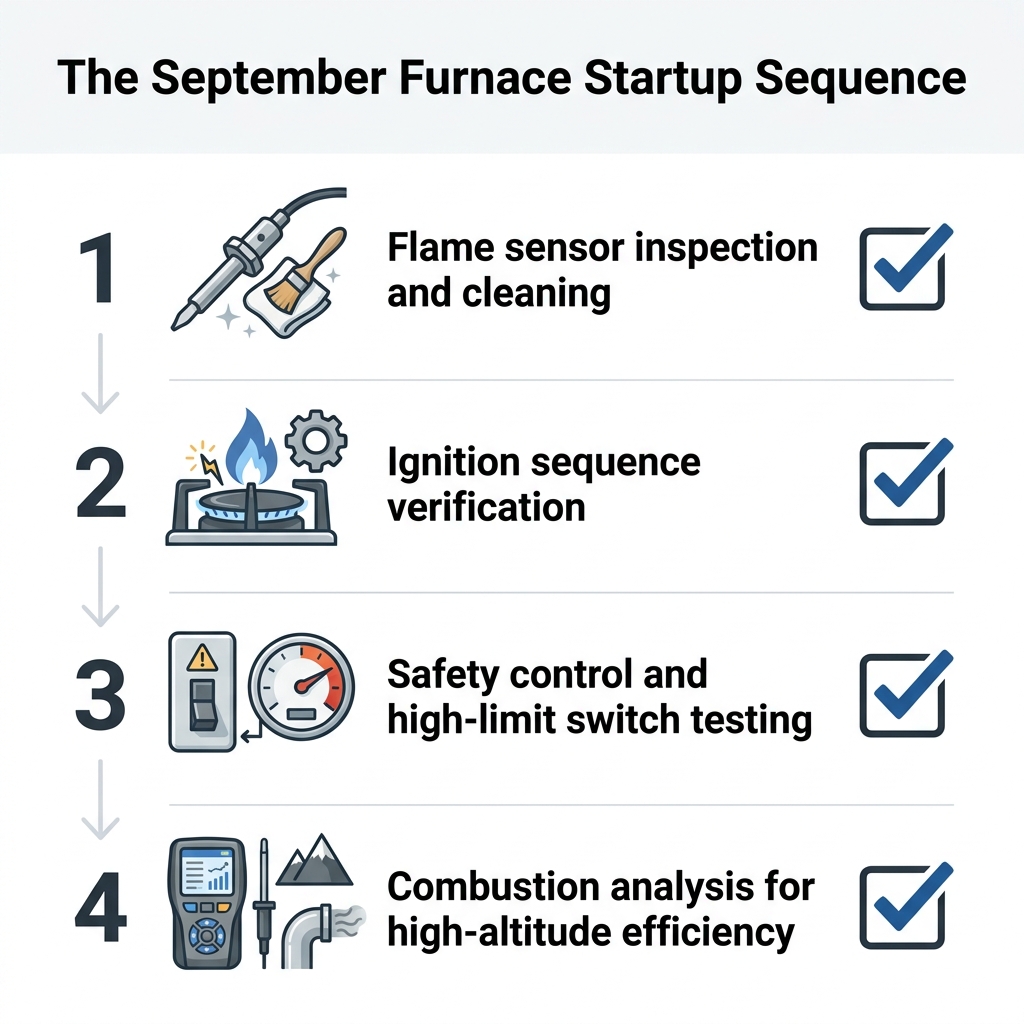
The first phase of the sequence targets the most common causes of early-season failure. A licensed technician will carefully remove and inspect the flame sensor, using specialized abrasive materials to clean away the baked-on summer dust without scratching the delicate metal. They will then use a digital multimeter to measure the microamp signal during a test fire, ensuring the sensor is communicating perfectly with the control board. The electronic igniter (or pilot assembly) is also inspected for cracks, proper resistance, and correct positioning to guarantee a smooth, immediate light-off when gas is introduced.
Combustion and Safety Control Testing
Once the system is firing, the focus shifts to comprehensive safety verification. This includes:
• High-limit switch testing: Verifying that the furnace will automatically shut down if internal temperatures reach dangerous levels due to poor airflow.
• Pressure switch calibration: Ensuring the draft inducer is pulling the exact amount of negative pressure required to vent toxic exhaust gases outdoors.
• Burner inspection: Checking the physical burners for rust, spider webs, or debris that could cause delayed ignition or a dangerous "roll-out" of flames into the furnace cabinet.
• Gas pressure verification: Using a specialized manometer to measure the manifold gas pressure, ensuring the burners are receiving the exact amount of fuel required for safe, efficient operation.
The September Furnace Startup Sequence
Carbon Monoxide and Combustion Safety in High-Altitude Climates
Firing up a dormant combustion appliance without a prior inspection carries significant indoor air quality and safety risks. According to guidelines from the EPA and Energy.gov, carbon monoxide (CO) risks increase dramatically when heating systems are neglected. Carbon monoxide is a colorless, odorless, and tasteless gas produced by incomplete combustion, and it is a direct threat to the safety of your household.
The physics of high-altitude combustion:
In Mammoth Lakes CA, the air density at 7,800 feet is significantly lower than at sea level. Thinner air means there is less oxygen available per cubic foot. Because fire requires a precise mixture of oxygen and fuel to burn cleanly, high-altitude furnaces must be strictly calibrated to account for this thinner air. If a furnace is operating with an improper air-to-fuel ratio, it will produce excessive soot and elevated levels of carbon monoxide.
A professional startup sequence addresses these specific high-altitude challenges. Our technicians perform a combustion analysis to measure the exact composition of the exhaust gases. They verify that the burners are producing a crisp, blue flame rather than a lazy, yellow flame (which indicates oxygen starvation). Furthermore, they conduct a rigorous inspection of the heat exchanger—the metal barrier that separates the toxic combustion exhaust from the clean air circulating through your vents.
If a heat exchanger has developed a hairline crack due to years of thermal expansion and contraction, firing the system up will push carbon monoxide directly into your living spaces. Detecting this kind of structural failure early is paramount. If we find a major safety violation like a cracked heat exchanger during a fall inspection, it gives you the necessary time to explore new furnace installation and replacement options—and potentially take advantage of generally applicable energy rebates or tax credits for qualifying high-efficiency systems—before the deep freeze sets in.
The Logistical Dangers of Emergency Heating Calls During a Blizzard
There is a stark contrast between scheduling a proactive tune-up and scrambling for an emergency repair in the middle of a winter storm. When you wait until your system fails during a heavy snow event, you are no longer just dealing with a mechanical breakdown; you are fighting against the logistical realities of extreme weather.
When a major blizzard hits Mammoth Lakes CA, the community's infrastructure slows down. Roads become heavily impacted, visibility drops, and travel is restricted. Our dispatch team knows all too well that if your furnace suffers an ignition failure at 10:00 PM on a Friday during a whiteout, the physical reality is that an HVAC technician may not be able to safely reach your property immediately. While our local professionals are deeply committed to emergency response, we are still bound by the laws of physics and road safety.
The cascading effects of a delayed response:
• Rapid temperature loss: High-altitude homes lose heat quickly when the outdoor temperature drops into the single digits.
• Frozen plumbing risks: If the indoor temperature falls below freezing, water pipes inside walls and crawlspaces can freeze and burst, causing catastrophic water damage.
• Supply chain delays: If your furnace requires a specialized replacement part that isn't stocked on the service truck, shipping that part into a snowed-in mountain town can take days.
This is why working with dedicated local professionals is essential. A local team understands the unique stress that extreme Mammoth winters put on heating systems. They know how to calibrate equipment for the elevation, and they understand the absolute necessity of proactive fall maintenance. By scheduling your startup sequence early, you bypass the chaos of peak-season breakdowns, protect your property from cascading weather damage, and ensure your home remains a safe, warm refuge all winter long.
Frequently Asked Questions About Furnace Startups
When should I turn on my furnace for the first time?
We recommend you schedule a professional startup and run your furnace for the first time in September, well before the first major freeze hits. Testing the system while the weather is still mild allows you to catch dormant ignition issues without risking a cold-weather emergency. Waiting until snow is falling severely limits your options if the system fails to start.
What to check before turning furnace on?
Before testing your system, always replace the air filter, ensure all supply and return vents are fully open, and verify that the area around the furnace is clear of stored items. You should also test your carbon monoxide detectors and replace their batteries. However, the internal mechanical checks—like inspecting the flame sensor and testing safety switches—must be left to a licensed professional.
Why is my furnace not igniting after sitting all summer?
The most common cause of early-season ignition failure is a dirty flame sensor. Over the summer, dust and airborne debris settle on the sensor rod, acting as an insulator that blocks the electrical signal needed to keep the gas valve open. Other dormant issues include stuck draft inducer motors, oxidized electrical connections, and tripped safety limits.
What does a professional furnace startup include?
A professional startup sequence includes cleaning and testing the flame sensor, verifying the electronic ignition cycle, testing all high-limit and pressure safety switches, and inspecting the burners. The technician will also check the heat exchanger for cracks and measure the gas pressure to ensure the system is operating safely and efficiently.
How do I prepare my furnace for heavy winter snow in high-altitude areas?
Preparing for high-altitude winters requires ensuring your system is properly calibrated for thinner air and verifying that all exhaust venting is clear of potential snow blockages. Scheduling a professional inspection in the early fall is the best way to confirm your system can handle the intense demands of severe temperature drops without failing.
Secure Your Comfort Before the Snow Falls
Don't wait until you're shivering in your living room to find out if your heating system survived its summer dormancy. By scheduling a professional startup sequence now, you gain a clear understanding of your equipment's health and prevent freezing, no-heat emergencies. Take action today to ensure your home is fully prepared for whatever the mountain winter brings.
Sed iaculis aenean sit sed risus arcu vitae integer elit.
5 min read
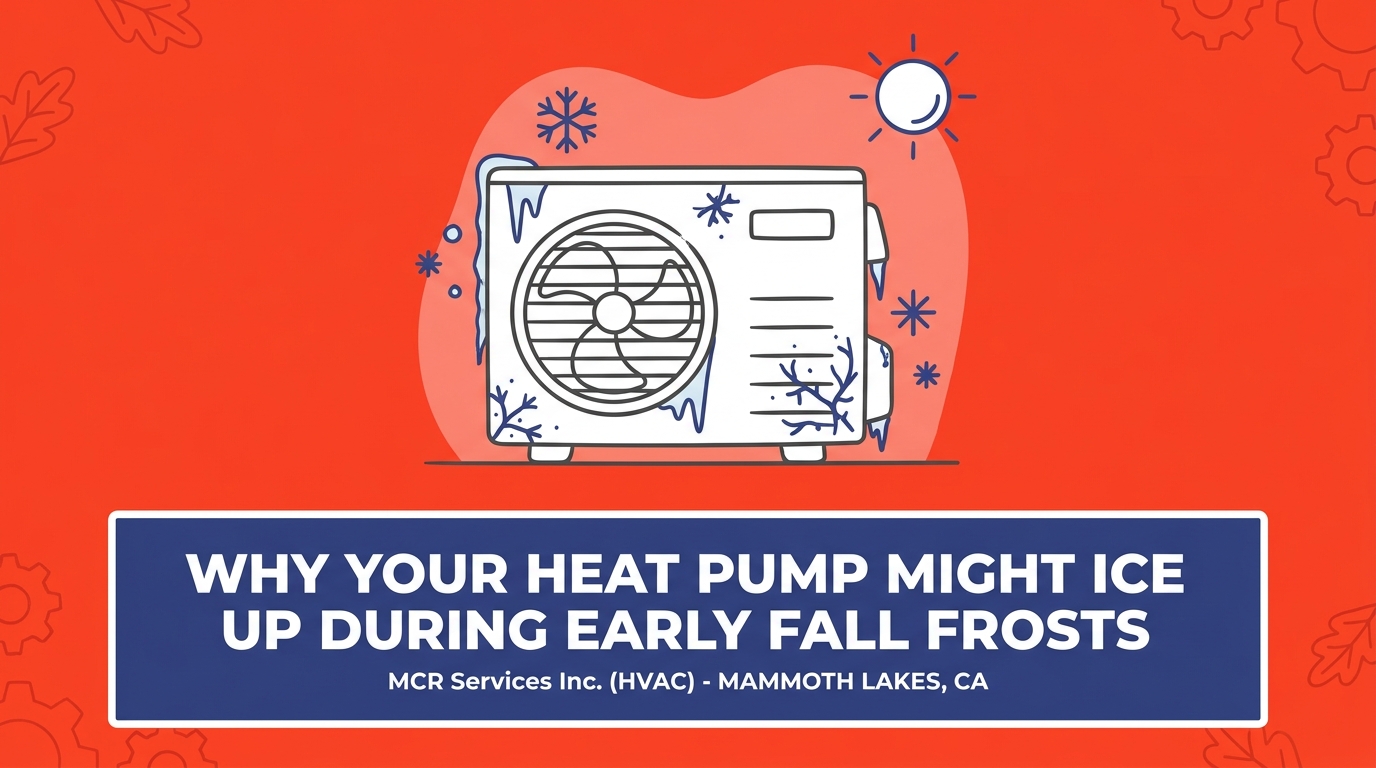
Why Your Heat Pump Might Ice Up During Early Fall Frosts
Finding frost on your outdoor unit in September often triggers panic about a major breakdown. Discover the difference between a normal seasonal defrost cycle and a true refrigerant leak.
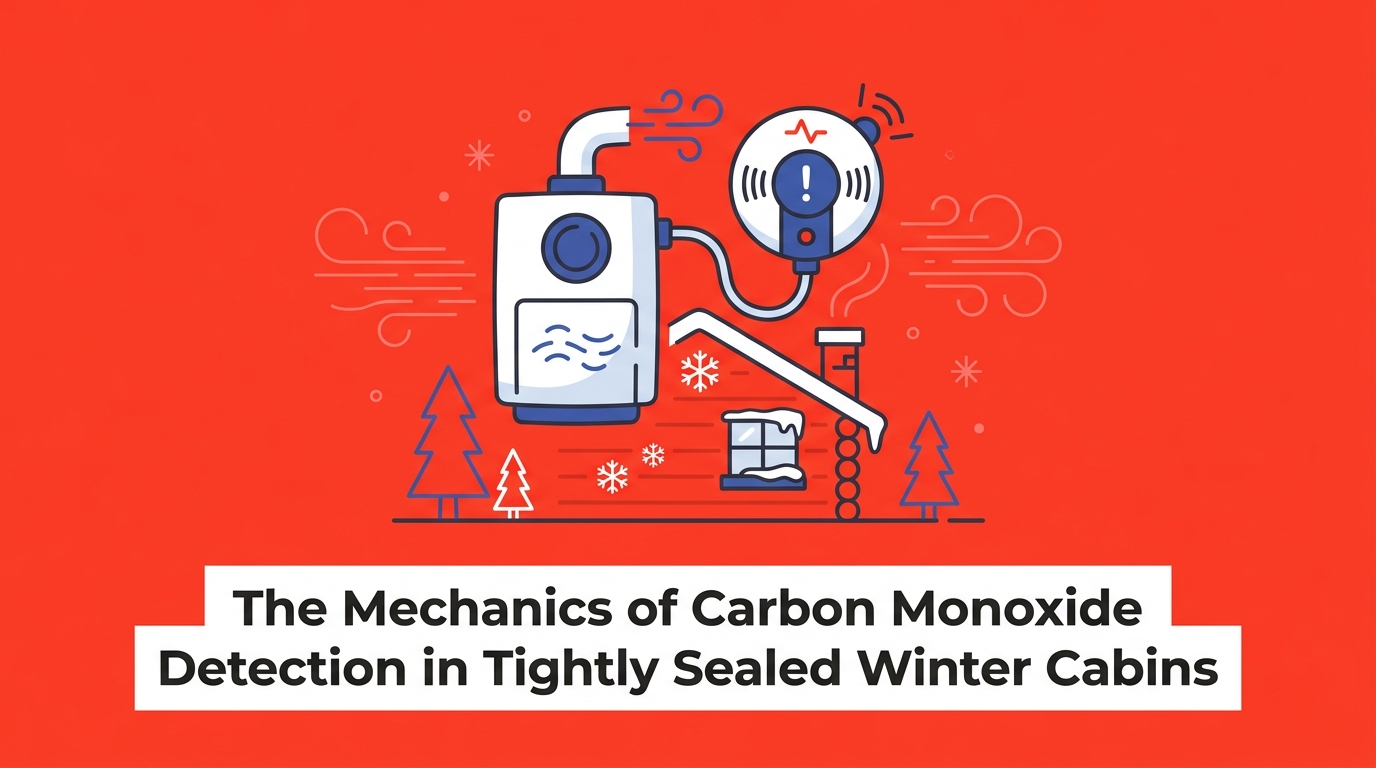
The Mechanics of Carbon Monoxide Detection in Tightly Sealed Winter Cabins
Weatherproofing your cabin for winter traps heat, but it also traps dangerous combustion gases from aging furnaces. See why low-level monitors are essential for safety.
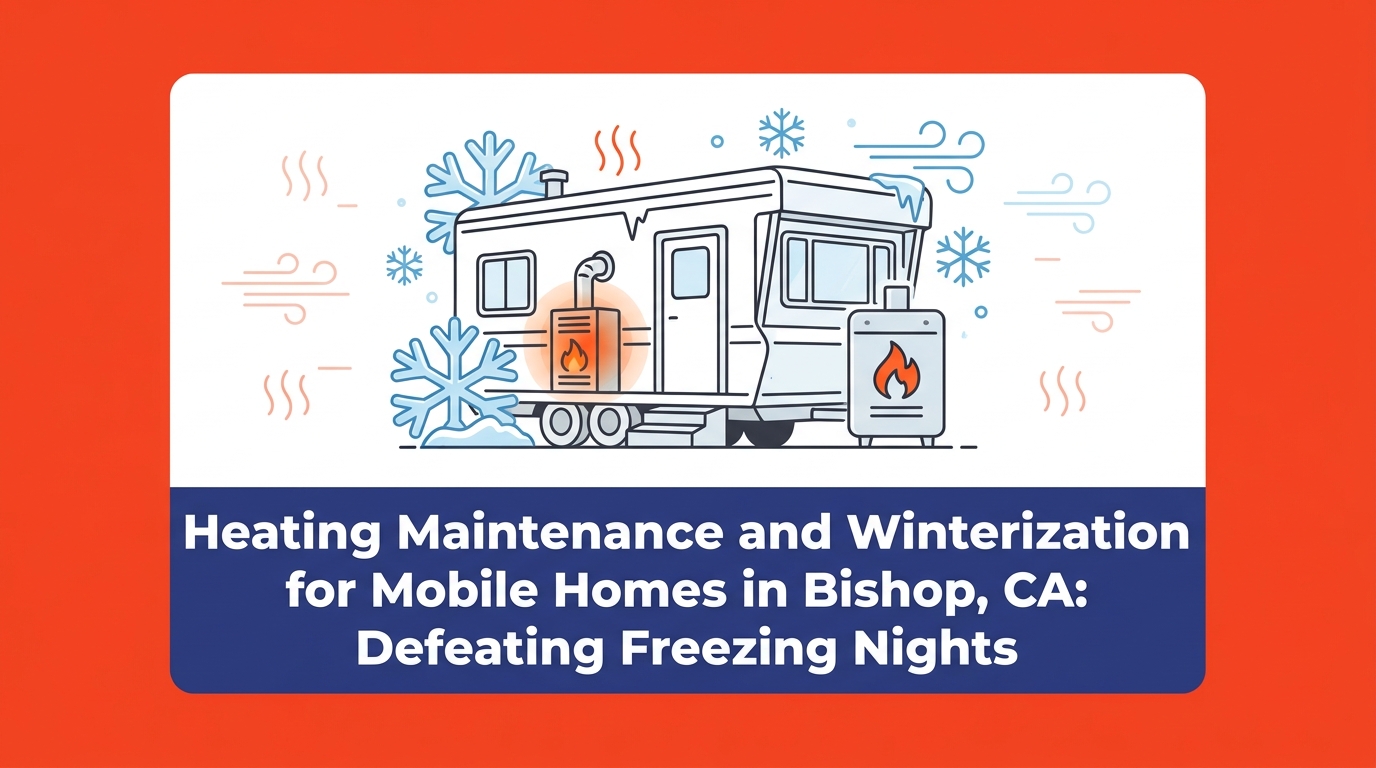
Winterizing Mobile Home HVAC Systems Against Bishop's Freezing Nights
Standard residential heating checklists ignore the exposed underbellies of manufactured housing. Protect your mobile home's ductwork before the first hard freeze hits the Eastern Sierra.