Repairing vs. Replacing an Aging Air Conditioner Before the Fall Off-Season
Repairing vs. Replacing an Aging Air Conditioner Before the Fall Off-Season
Is It Worth Fixing a Struggling AC as Summer Winds Down?
At MCR Services Inc., we frequently hear from homeowners wondering if it makes sense to keep fixing a struggling cooling system, or if it is time to consider repairing vs. replacing an aging air conditioner before the fall off-season. The August late-summer heat and back-to-school transition often create a perfect storm for homeowners. Just as household routines are shifting and schedules are tightening, an aging air conditioning unit decides it can no longer keep up with the afternoon temperatures. You are left staring at a thermostat that refuses to drop, listening to strange noises from the compressor, and debating your next move.
This dilemma forces a difficult choice: do you apply a temporary band-aid fix just to get through the final weeks of high temperatures, or do you invest in a full system replacement right now? Making the right call requires looking past the immediate frustration. It requires an objective evaluation of your unit's age, the severity of the current malfunction, and the strategic timing of the upcoming season. If you find yourself constantly relying on air conditioning services just to maintain basic comfort, our team recommends a deeper assessment to protect your home and your peace of mind.
Evaluating the Lifespan and Efficiency of Your Current System
Before you can make an informed decision about your cooling equipment, you need a baseline understanding of how long these systems are designed to last and how their performance degrades over time. In our years of servicing homes across Mammoth Lakes, our team has seen firsthand that while air conditioners are durable machines, they are not invincible. Years of running through intense summer heat cycles take a cumulative toll on moving parts, electrical components, and the overall structural integrity of the unit.
Understanding Manufacturer Lifespans
While the U.S. Department of Energy establishes benchmarks of 15 to 20 years for central air conditioners, our technicians find that reaching that two-decade mark requires consistent, professional upkeep. If a system has skipped annual tune-ups, operated with dirty filters, or battled restricted airflow, that timeline shrinks significantly. As your system crosses the 12-to-15-year threshold, the internal components—such as the compressor, condenser coils, and blower motor—begin to show signs of irreversible wear and tear. You might notice the system running longer to achieve the same temperature, or perhaps the air coming from your vents feels weaker than it used to. These are the natural symptoms of a machine nearing the end of its functional lifespan.
The Efficiency Gap in Older Units
Age does not just affect reliability; it drastically impacts energy efficiency. Older systems naturally lose their ability to cool your home effectively over time, leading to longer run cycles and increased wear. Furthermore, outdated units often rely on older refrigerants that are no longer the industry standard. Our team at MCR Services Inc. often advises customers that if an older system develops a leak, sourcing and replacing these outdated refrigerants makes repairs inherently more complicated and less viable.
In contrast, modern high-efficiency models utilize advanced compressor technology and environmentally friendly refrigerants. The U.S. Department of Energy notes that replacing an aging system with a newer, high-efficiency model can reduce cooling energy usage by 20% to 50%. This massive efficiency gap means an older system is essentially working twice as hard to produce less comfort.
• Energy Efficiency (SEER) — Aging Air Conditioning Systems (15+ Years): Typically lower ratings; degrades further over time due to component wear. — Modern High-Efficiency Systems: High SEER ratings; uses 20% to 50% less energy to cool the same space.
• Refrigerant Type — Aging Air Conditioning Systems (15+ Years): Often uses outdated, phased-out refrigerants that complicate leak repairs. — Modern High-Efficiency Systems: Utilizes modern, eco-friendly refrigerants that are readily available.
• Run Cycles — Aging Air Conditioning Systems (15+ Years): Long, continuous running with uneven cooling and poor humidity control. — Modern High-Efficiency Systems: Shorter, variable-speed cycles that maintain precise indoor temperatures.
• Reliability — Aging Air Conditioning Systems (15+ Years): High risk of sudden breakdowns, especially during late-summer heatwaves. — Modern High-Efficiency Systems: Highly reliable, backed by comprehensive manufacturer warranties.
The Hidden Risks of Limping Through the Rest of Summer
When an air conditioner falters in August, we see many homeowners tempted to request a quick patch job just to limp through the remaining warm weeks. However, our technicians warn that choosing a temporary repair to get by carries hidden risks that can compound quickly. The late-summer heat places immense stress on a failing compressor. If one component is already struggling, it forces the rest of the system to overcompensate. A failing fan motor, for instance, can cause the compressor to overheat, turning a minor issue into a catastrophic system failure.
The cascading breakdown effect: When you opt for a band-aid fix on an old unit, you are often just resetting the clock until the next part breaks. This leads to a frustrating cycle of subsequent, cascading breakdowns requiring emergency calls. Every time the system goes down, your home's indoor comfort suffers. Poor performance means the system fails to manage high indoor humidity, leaving the air feeling sticky and uncomfortable. You might also experience uneven cooling, where the living room is freezing but the bedrooms remain stiflingly hot.
One of our recent customers in Bishop discovered just how frustrating it can be when their older cooling equipment became completely ineffective during a period of high summer heat and humidity. Instead of constantly trying to repair a failing, outdated setup, they trusted us to upgrade their home to a modern mini-split system, which immediately restored their indoor comfort and provided consistent, reliable cooling. This highlights the stark contrast between the sunk cost of investing in a doomed system versus putting resources toward a permanent, reliable solution.
If you find yourself repeatedly searching for professional AC repair just to keep the vents blowing cold air, it is time to evaluate whether those temporary fixes are actually serving your long-term comfort needs.
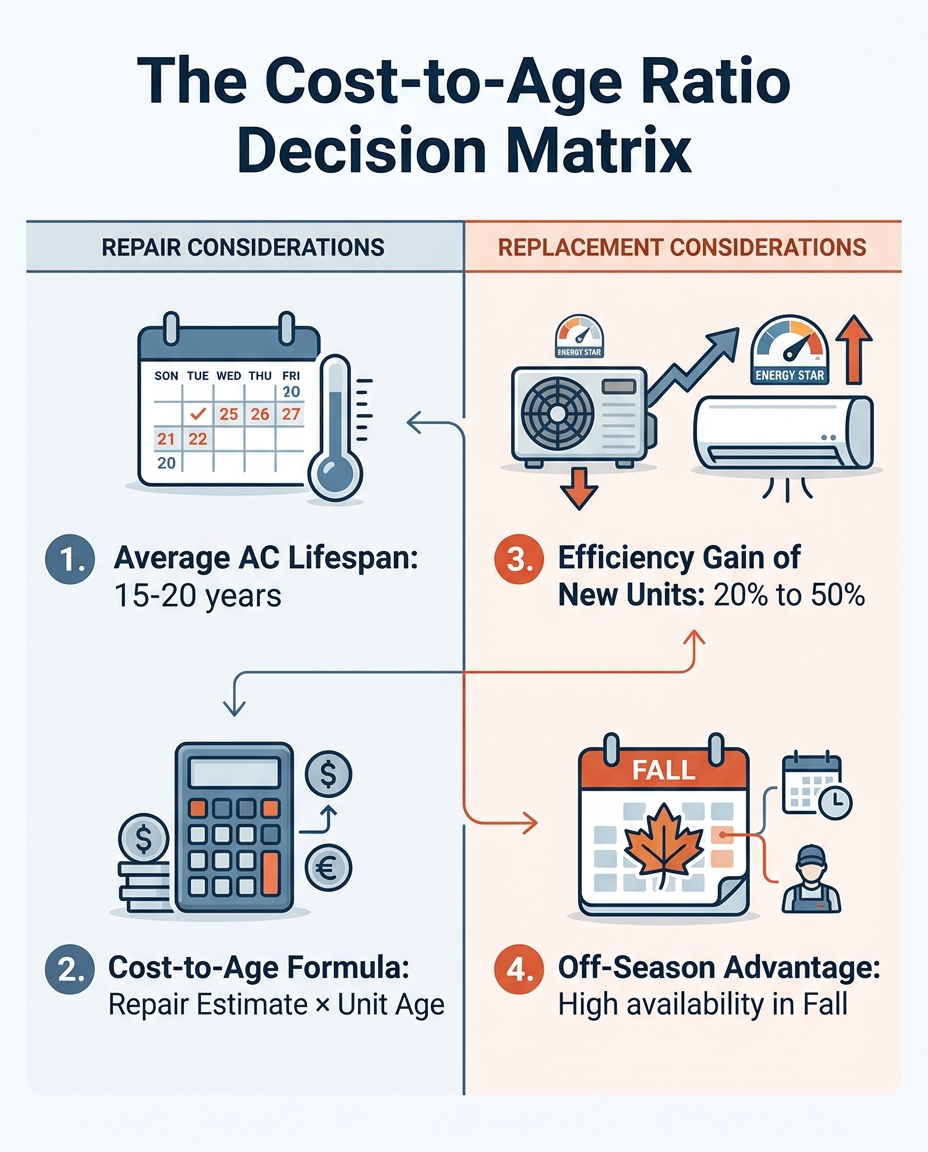
The Cost-to-Age Ratio: An Objective Decision Framework
Making the choice between fixing and replacing should never rely on guesswork or gut feelings. To make an objective decision, our HVAC professionals at MCR Services Inc. highly recommend a concrete calculation method known as the cost-to-age ratio. This formula helps you gauge the viability of a repair without getting bogged down in emotion or frustration. An honest, transparent system assessment from our team is crucial here to get accurate repair estimates without high-pressure sales tactics, allowing you to do the math objectively.
Here is how we suggest applying this framework to your own situation:
1. Determine the exact age of your unit: Check the manufacturing date on the data plate attached to the outdoor condenser. If the unit is over 15 years old, it has already reached the typical life expectancy benchmark.
2. Obtain a clear, transparent repair estimate: Have one of our qualified technicians diagnose the current issue and provide a comprehensive estimate for the required fix.
3. Calculate the ratio: Multiply the repair estimate by the age of the unit. While this is a conceptual exercise, the resulting number helps you visualize the weight of the repair against the unit's lifespan. If the calculated figure exceeds a set threshold—often considered to be the equivalent of a significant down payment on a new system—the repair is generally considered a poor investment.
4. Factor in recent repair frequency: The formula is a great starting point, but context matters. If this is the third time you have called a technician this season, the frequency of recent repairs should heavily influence your final decision. A single isolated part failure on a 10-year-old system is very different from chronic breakdowns on a 16-year-old system we frequently encounter.
5. Set your personal comfort threshold: Decide at what point a repair is no longer a sound long-term investment for your household. If the system cannot reliably cool your home during peak heat, or if the repair only guarantees a few more months of operation, replacement becomes the logical path forward.
If you are unsure how to evaluate the symptoms your system is displaying before calling a professional, reviewing a comprehensive HVAC troubleshooting guide can help you understand the severity of the malfunction.
The Cost-to-Age Ratio Decision Matrix
Strategic Timing: Capitalizing on the Short Fall Off-Season
Timing plays a massive role in HVAC decisions, especially in regions with distinct, rapidly changing climates. Living and working in Mammoth Lakes, our team knows firsthand that our unique high-altitude climate means mild summers transition quickly into crisp, cold falls. This heavily compresses the traditional HVAC shoulder season—the brief period between peak cooling demand and peak heating demand.
The rapid transition from summer to fall creates a very narrow window for HVAC updates. If you wait too long to address a failing air conditioner, you risk overlapping with the sudden surge in heating service calls. By acting during the late summer or early fall, you can capitalize on peak technician availability before our winter heating rush begins.
The danger of delaying the decision: Delaying a replacement decision often leads to worst-case scenarios. If your system finally gives out completely during an unseasonably warm September afternoon, you are forced into an emergency replacement. Emergency replacements are stressful; you have less time to research your options, evaluate different models, or schedule the installation at your convenience. Worse, if the breakdown happens right as a sudden cold snap hits, you might find yourself without any climate control while waiting for an available technician.
Choosing to replace your system during the fall off-season installation availability window provides immense peace of mind. You gain the advantage of having a reliable, high-efficiency system installed on a controlled, predictable schedule. You control the timeline, rather than letting a sudden equipment failure dictate your choices.
Long-Term Benefits of Choosing Replacement Over Repeated Repairs
When you finally step off the repair treadmill and opt for a new installation, the benefits extend far beyond simply having a functional air conditioner. Upgrading an aging system transforms your home's entire climate control profile. A local customer recently called us for comprehensive HVAC system work and, after our team provided a prompt and knowledgeable assessment, they decided that moving forward with a new installation was the most logical step. The outcome was excellent, providing them with a highly reliable system and restoring their complete confidence in their home's comfort.
Here are the long-term advantages we see when homeowners choose replacement over another temporary fix:
• Immediate improvements in indoor comfort: A new system provides consistent temperatures across all rooms, effectively manages indoor humidity, and significantly improves overall air quality by utilizing modern filtration technology.
• Long-term energy savings: Derived from higher SEER ratings and modern variable-speed technology, a new unit uses substantially less electricity to achieve the same level of cooling, lowering your monthly utility burdens.
• Potential eligibility for incentives: Upgrading to a high-efficiency system may qualify you for generic energy rebates, federal tax credits, or local utility incentive programs. Always consult with a tax professional or your local utility provider to verify current programs and eligibility requirements.
• Resetting the warranty clock: A brand-new installation comes with comprehensive manufacturer warranties. This protects you from unexpected out-of-pocket expenses for major component failures for years to come.
• Enhanced smart home compatibility: Modern systems integrate seamlessly with smart thermostats and home automation platforms, giving you precise control over your indoor climate from anywhere.
Once your new system is installed, staying proactive with routine AC maintenance ensures it continues to operate at peak efficiency and easily reaches that 15-to-20-year lifespan benchmark.
Frequently Asked Questions About AC Repair and Replacement
How do I know if my AC needs to be replaced or repaired? Our team evaluates this based heavily on the unit's age, the frequency of recent breakdowns, and the severity of the current issue. If your system is over 15 years old, requires a major component replacement like a compressor, or struggles to keep your home cool despite frequent repairs, replacement is usually the smarter investment. Conversely, if the unit is under 10 years old and facing a minor electrical issue, a repair is highly recommended.
Is it better to replace an AC system in the fall? Yes, in our experience, the fall off-season is generally the optimal time for an HVAC replacement. During this brief shoulder season, technician availability is typically higher because the peak summer cooling rush has ended, and the winter heating rush has not yet begun. This allows for more flexible scheduling and a stress-free installation process before extreme weather returns.
How do you calculate if an AC is worth repairing? Like many industry professionals, we use the cost-to-age ratio to gauge repair viability. By multiplying the estimated repair cost by the age of the equipment, you get a conceptual figure that represents the weight of the investment. If this figure is excessively high, or if the repair cost approaches half the value of a new, high-efficiency system, investing in a replacement is the more objective, financially sound choice.
What is the life expectancy of a central air conditioner? According to the U.S. Department of Energy, a well-maintained central air conditioning system typically lasts between 15 and 20 years. However, we often see this lifespan drastically shortened by poor maintenance, heavily restricted airflow, or operating in harsh climates without regular professional tune-ups. Once a unit passes the 15-year mark, efficiency drops and the risk of major component failure increases significantly.
What are the signs that an AC compressor is failing? A failing compressor often exhibits loud, unusual noises such as grinding, clanking, or severe rattling during operation. You may also notice the system blowing warm air, tripping the circuit breaker repeatedly, or vibrating noticeably when it turns on. Because the compressor is the heart of the cooling system, these symptoms require immediate professional evaluation to prevent total system failure.
Can an older AC unit be retrofitted with modern, high-efficiency refrigerants? In most cases, older units designed for outdated refrigerants cannot be simply refilled or retrofitted with modern, eco-friendly alternatives without extensive and costly modifications. The internal components, operating pressures, and oils used in older systems are incompatible with new refrigerants. When our technicians find that an older system has developed a severe refrigerant leak, full replacement is almost always the most practical and efficient solution.
Make a Confident Choice for Your Home's Comfort
Deciding between repairing and replacing your air conditioner does not have to be a stressful, high-pressure experience. By balancing the age of your unit, the severity of the current malfunction, and the strategic timing of the late-summer season, you can make a choice that protects your home's comfort for the long haul. Remember that an objective, transparent assessment from the MCR Services Inc. team is your best tool for evaluating whether a temporary fix is truly worth the investment, or if a modern upgrade will serve you better.
Do not wait until a complete breakdown forces your hand during a heatwave or a sudden cold snap. Take control of your indoor climate by scheduling a professional consultation while the fall off-season installation availability window is still open. If you are ready to explore your options, reach out to us for an honest assessment regarding AC replacement in Mammoth Lakes today.
Sed iaculis aenean sit sed risus arcu vitae integer elit.
5 min read
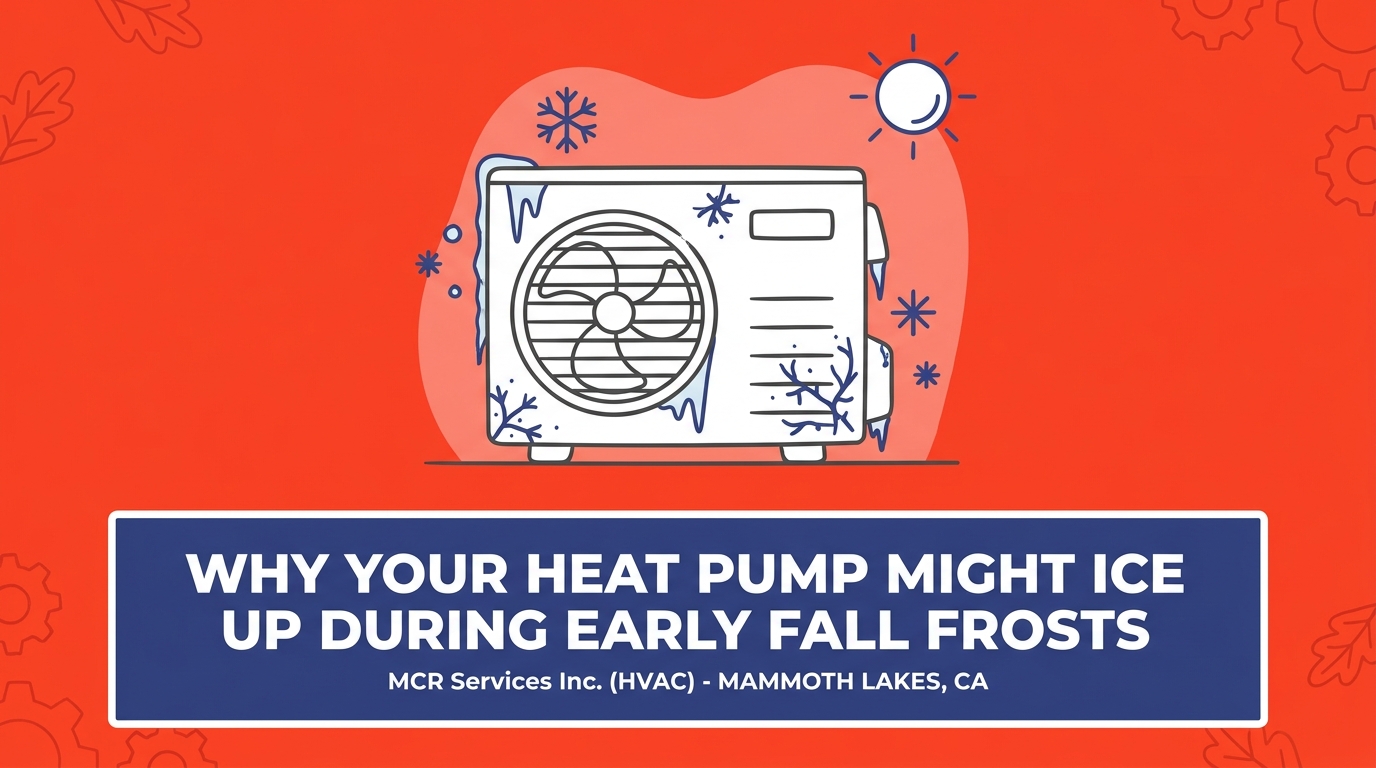
Why Your Heat Pump Might Ice Up During Early Fall Frosts
Finding frost on your outdoor unit in September often triggers panic about a major breakdown. Discover the difference between a normal seasonal defrost cycle and a true refrigerant leak.
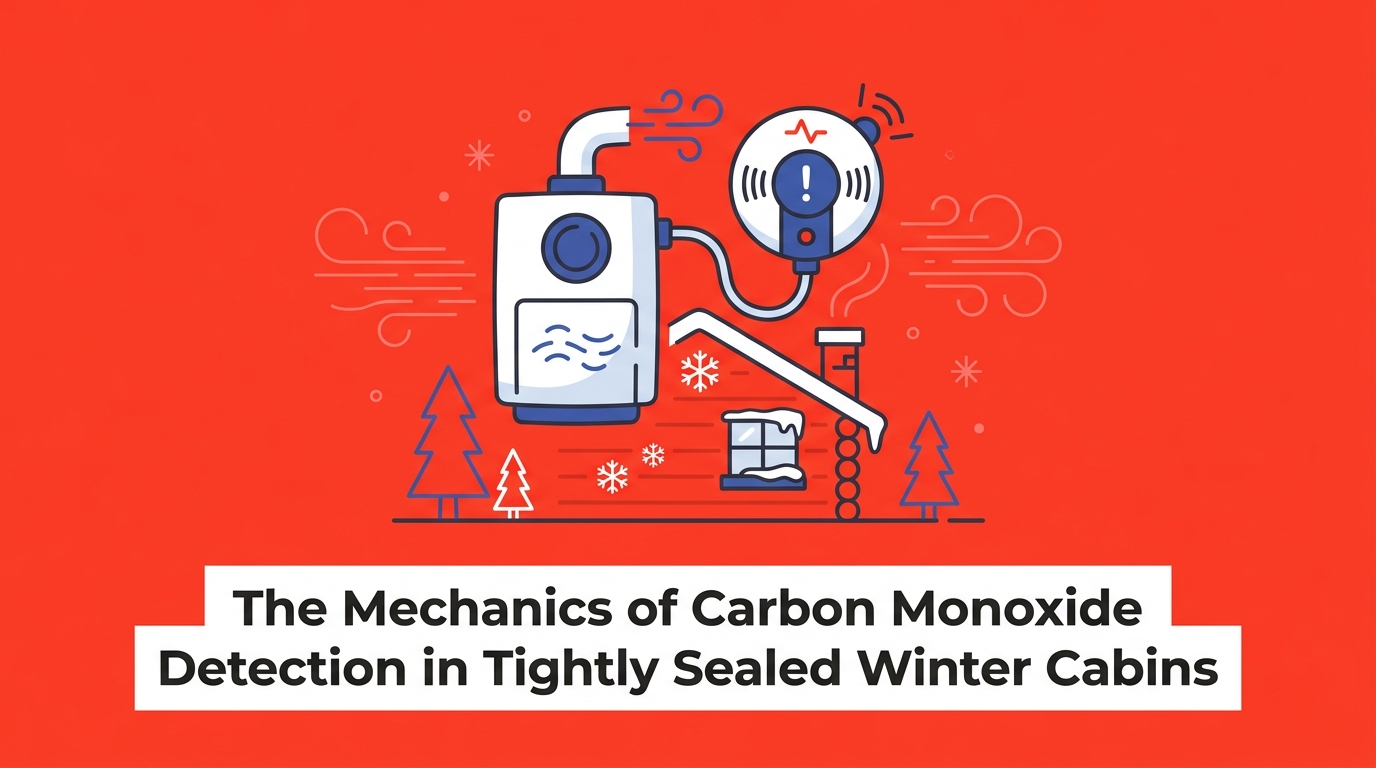
The Mechanics of Carbon Monoxide Detection in Tightly Sealed Winter Cabins
Weatherproofing your cabin for winter traps heat, but it also traps dangerous combustion gases from aging furnaces. See why low-level monitors are essential for safety.
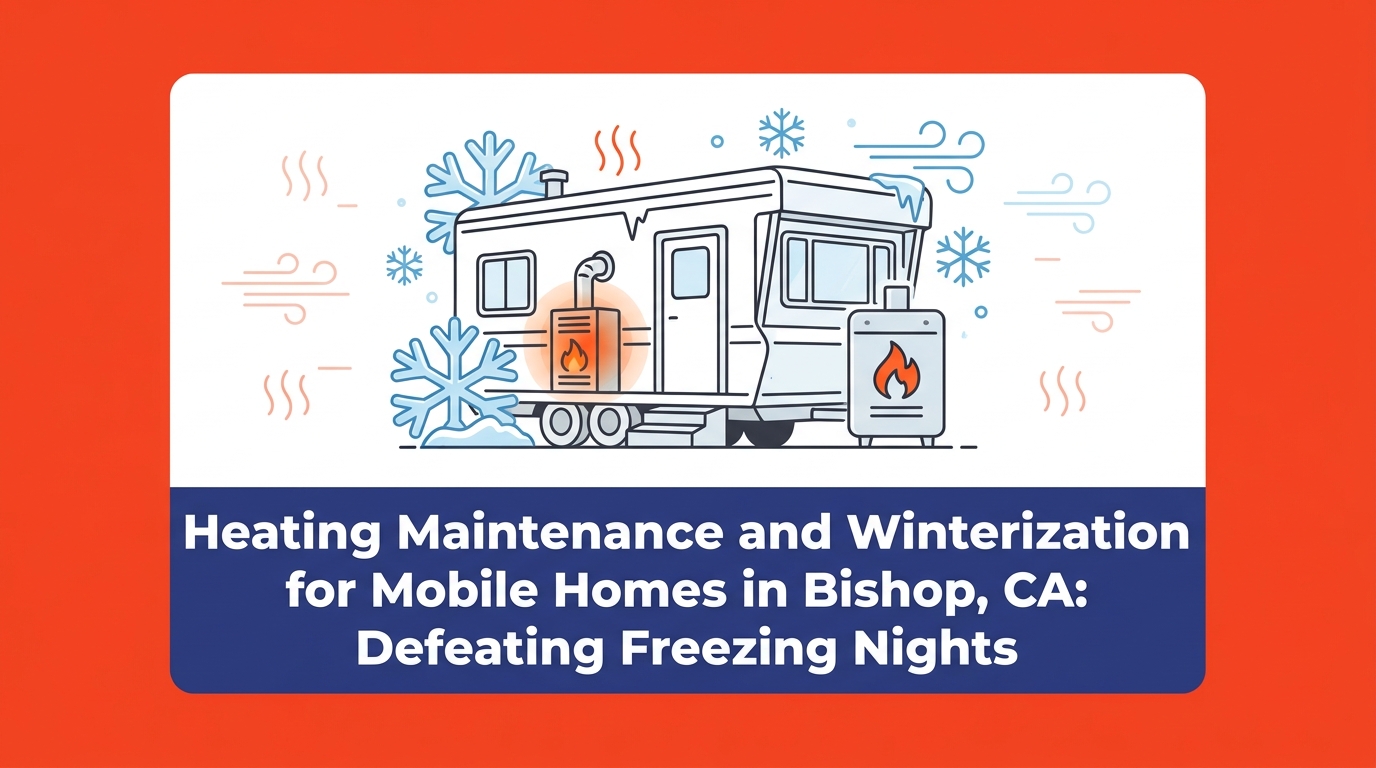
Winterizing Mobile Home HVAC Systems Against Bishop's Freezing Nights
Standard residential heating checklists ignore the exposed underbellies of manufactured housing. Protect your mobile home's ductwork before the first hard freeze hits the Eastern Sierra.