What That Burning Smell Means When You First Turn on Your Furnace in Autumn
What That Burning Smell Means When You First Turn on Your Furnace in Autumn
Why That First Cold September Night Triggers Furnace Panic
Before the first freeze hits, there is one critical sensory detail every homeowner should be prepared for. Understanding exactly what that burning smell means when you first turn on your furnace in autumn can be the difference between peace of mind and an unnecessary midnight emergency call. Here in Mammoth Lakes, our team at MCR Services Inc. knows firsthand how rapidly the transition from summer to fall happens in the mountains. One afternoon you are enjoying a mild breeze, and by evening, the rapid temperature drops typical of early autumn force an abrupt transition from summer dormancy to active heating.
To keep your home safe and comfortable, it helps to understand the mechanics of your heating systems. When the thermostat clicks on for the first time in months, the blower motor roars to life, and suddenly, a distinct, harsh odor spreads through the vents. It is an alarming experience. Your immediate instinct is to worry about a house fire, and you are immediately faced with a stressful decision: do you wait it out, assuming it is harmless, or do you shut the entire system down and call for help?
That initial early-fall September start-up is notorious for triggering panic. During the long summer months, your heating equipment sits completely idle in the dark. While one specific type of odor is a completely normal seasonal nuisance, other smells indicate dangerous electrical faults or mechanical friction. Learning how to identify the difference empowers you to protect your home without panicking over a standard mechanical process.
The Most Common Culprit: Burning Summer Dust
If you notice a faint, dry, smoky odor during that first heating cycle, you are likely experiencing the most common seasonal heating phenomenon. To understand why this happens, you have to look at what goes on inside the metal cabinet of your heater during the warmer months.
Over years of servicing heating equipment in our high-altitude climate, our technicians at MCR Services Inc. consistently see how homes in Mammoth Lakes experience dry, dusty conditions during the summer. While your air conditioner might be running, the heating components—specifically the heat exchanger—remain cold and inactive. Over several months, microscopic particles settle on these cold metal surfaces. When you finally demand heat, a specific sequence of events occurs:
1. Summer Dormancy and Accumulation: Throughout the spring and summer, airborne particles like household dust, pet dander, dead skin cells, and pollen bypass your air filters and settle directly onto the cold surface of the internal heat exchanger.
2. The Initial Ignition Phase: When the thermostat registers a temperature drop, it signals the burners to ignite. The heat exchanger, which has been sitting at room temperature for months, rapidly heats up to several hundred degrees Fahrenheit in a matter of minutes.
3. The Flash Incineration Phase: As the metal reaches its peak operating temperature, the thin layer of accumulated debris literally incinerates. Because the dust layer is so thin, it does not produce visible flames, but it does produce a distinct, dry, burning odor.
4. Airflow Distribution: The blower motor engages, pushing air over the newly heated (and actively burning off) heat exchanger. This forces the odor directly into your ductwork and out through the vents into your living spaces.
This process is entirely normal. The smell is simply the consequence of basic physics and seasonal transitions. However, you do not have to live with this unpleasant experience every year. Investing in a comprehensive furnace maintenance plan ensures that a technician cleans the heat exchanger and internal components before the cold weather arrives, preventing the odor from occurring in the first place.
Sensory Triage: Distinguishing Normal Smells from Hazards
When that odor hits your living room during an early-fall September start-up, you need a reliable way to evaluate the situation. At MCR Services Inc., we teach our customers a process we call sensory triage. By paying close attention to the specific characteristics of the smell, you can quickly determine whether you are dealing with harmless dust or a critical system failure.
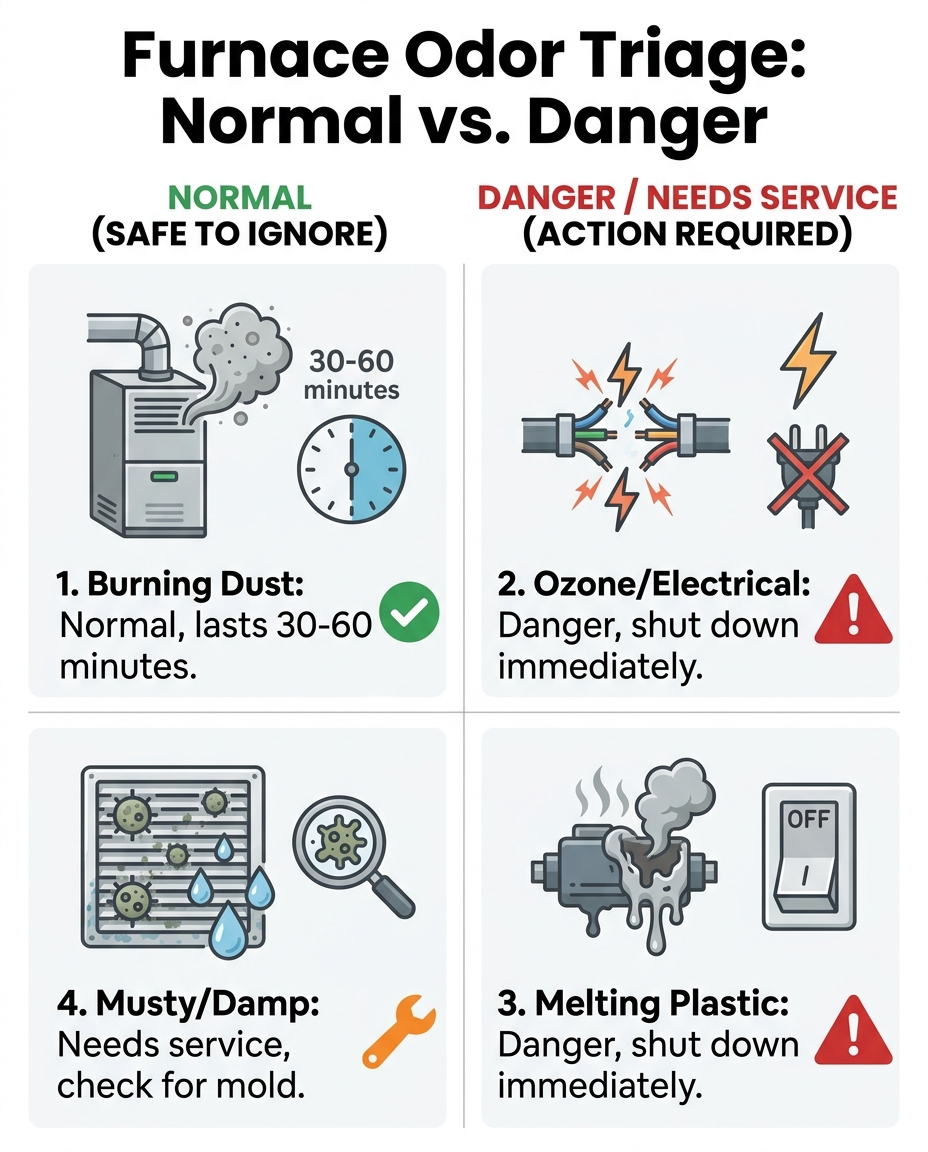
Not all burning odors are created equal. Use the following guide to categorize what you are smelling and decide on your next steps.
• Dry, dusty, slightly smoky heat — Likely Cause: Combusting summer dust and dander on the heat exchanger. — Danger Level: Low — Required Action: Monitor the system. The smell should dissipate within 30 to 60 minutes.
• Sharp metallic, ozone, or vague fishy smell — Likely Cause: Overheating blower motor, failing capacitor, or melting electrical wire insulation. — Danger Level: Critical — Required Action: Shut the system down immediately at the thermostat and the breaker. Call a professional.
• Pungent, chemical melting plastic or rubber — Likely Cause: A foreign object (like a toy) in the ductwork or melting internal wire casings. — Danger Level: Critical — Required Action: Shut the system down immediately. Do not run the heat until inspected.
• Musty, damp, or "dirty gym sock" odor — Likely Cause: Bacterial growth, mold, or mildew inside the ductwork or on the evaporator coil. — Danger Level: Moderate — Required Action: Leave the system running, but schedule a professional cleaning and inspection soon.
By calmly categorizing the smell, you take control of the situation. If the odor falls into the low-danger category, you can simply open a few windows to help ventilate the house while the system completes its first cycle. If it falls into a critical category, you know exactly what to do to prevent further damage.
Furnace Odor Triage: Normal vs. Danger
Immediate Shutdown Criteria: When to Take Action
While a little burning dust is nothing to worry about, heating equipment involves high voltage, combustible gases, and extreme temperatures. There is a hard line between a seasonal nuisance and a genuine safety hazard. If your system crosses that line, you must take immediate action to protect your property.
If you experience any of the following symptoms, turn off your thermostat immediately and switch off the dedicated circuit breaker for your heating unit:
• The odor persists beyond the normal window: If the burning smell continues for more than 60 minutes without fading, the system is no longer just burning off dust. Something is actively overheating.
• Visible smoke appears: Dust burn-off does not produce visible smoke. If you see haze or smoke coming from your vents or the metal cabinet itself, shut the system down instantly.
• The circuit breaker trips repeatedly: If starting the heater causes your electrical panel to trip, it means the system is drawing too much amperage, usually due to a failing motor or a short circuit. Never force a tripped breaker to stay on.
• The smell is definitively chemical or electrical: If your nose detects melting plastic, burning rubber, or the metallic tang of ozone, internal components are melting.
Just last fall, a local homeowner reached out to us when they needed an urgent HVAC system inspection after noticing a persistent electrical odor. Our team at MCR Services Inc. provided prompt service to diagnose a failing blower motor before it could cause a fire. This is a pattern we see often, highlighting why it is so important to rely on professional repair for keeping homes safe. We pride ourselves on safely and accurately diagnosing whether an odor is a harmless seasonal occurrence or a hazard requiring immediate professional attention. Never guess when it comes to electrical smells.
Frequently Asked Questions About Autumn Furnace Odors
Homeowners naturally have a lot of questions when their heating equipment behaves unexpectedly. During that critical early-fall September start-up, having accurate, straightforward answers helps you make safe decisions.
How long should a furnace smell like burning?
Normal dust burn-off should completely dissipate within 30 to 60 minutes of the first heating cycle. In our experience serving the Mammoth Lakes high-altitude climate, where temperatures can plummet quickly, we often see heaters run longer and harder on their very first cycle of the year. This extended run time is usually enough to incinerate all the settled debris. Opening a few windows during this initial cycle can help clear the indoor air much faster.
Is it safe to run my furnace if it smells like burning?
It is generally safe if the smell is strictly related to dry dust and begins to fade within an hour. The system is functioning exactly as designed by clearing off the heat exchanger. However, it is fundamentally unsafe if the smell is electrical, smells like melting plastic, or persists beyond the first hour. In those scenarios, continued operation risks severe mechanical damage or a fire, requiring an immediate shutdown.
What does an electrical fire in a furnace smell like?
An electrical fault produces a very distinct odor that is often described as smelling like ozone, hot metal, or vaguely like burning fish. This pungent scent is usually caused by overheating blower motors, failing capacitors, or frayed wiring where the protective plastic insulation is melting away. Unlike dust, this smell is harsh, chemical, and will often cause a slight burning sensation in your nose or throat.
Can a furnace catch on fire?
While rare due to multiple built-in safety limits and sensors, heating equipment can absolutely pose a severe fire risk if those safety mechanisms fail. Compromised wiring, a cracked heat exchanger, or a seized blower motor can generate enough heat to ignite surrounding materials. Regular professional maintenance is the single best prevention against heating equipment fires. If your system is old and repeatedly experiencing electrical faults, it may be time to consider a new furnace installation. (Remember that generic federal tax credits or local utility incentives may apply to qualifying high-efficiency upgrades, so it is always worth checking with your utility provider!).
Why does my heater smell like burning plastic?
A burning plastic odor typically indicates that a foreign object has made its way into the ductwork—such as a child's toy dropped down a floor register—or that internal wire casings are melting due to an electrical short. Because melting plastic releases toxic fumes into your breathable air, you should never ignore this smell. Shut the system down immediately and wait for a professional diagnosis.
Will a dirty air filter cause a burning smell?
Yes, a severely clogged air filter restricts the necessary airflow that keeps the internal components cool. When the system cannot pull in enough air, the blower motor has to overwork and the heat exchanger retains too much heat. This causes the motor to overheat and produce an electrical burning odor, and it can eventually trigger the system's high-limit safety switch to shut the unit down entirely.
Navigate Early-Season Startups with Confidence
The sudden shift in weather does not have to bring stress into your home. The quick fix: remember the 30-to-60 minute rule. If you are dealing with normal dust burn-off in the Mammoth Lakes high-altitude climate, the odor will fade quickly as the system cleans itself. Simply monitor the situation, ventilate your living space, and let the equipment do its job.
However, you must prioritize safety if the odor is electrical, chemical, or persistent. Professional diagnostics are non-negotiable when dealing with potential hazards like melting wires or failing motors. If you are ever in doubt about what that burning smell means when you first turn on your furnace in autumn, trust your instincts and turn the system off. Scheduling a thorough pre-heating-season inspection with our trusted Mammoth Lakes heating professionals at MCR Services Inc. ensures your equipment will provide safe, reliable, and odor-free warmth throughout the long cold season.
Sed iaculis aenean sit sed risus arcu vitae integer elit.
5 min read
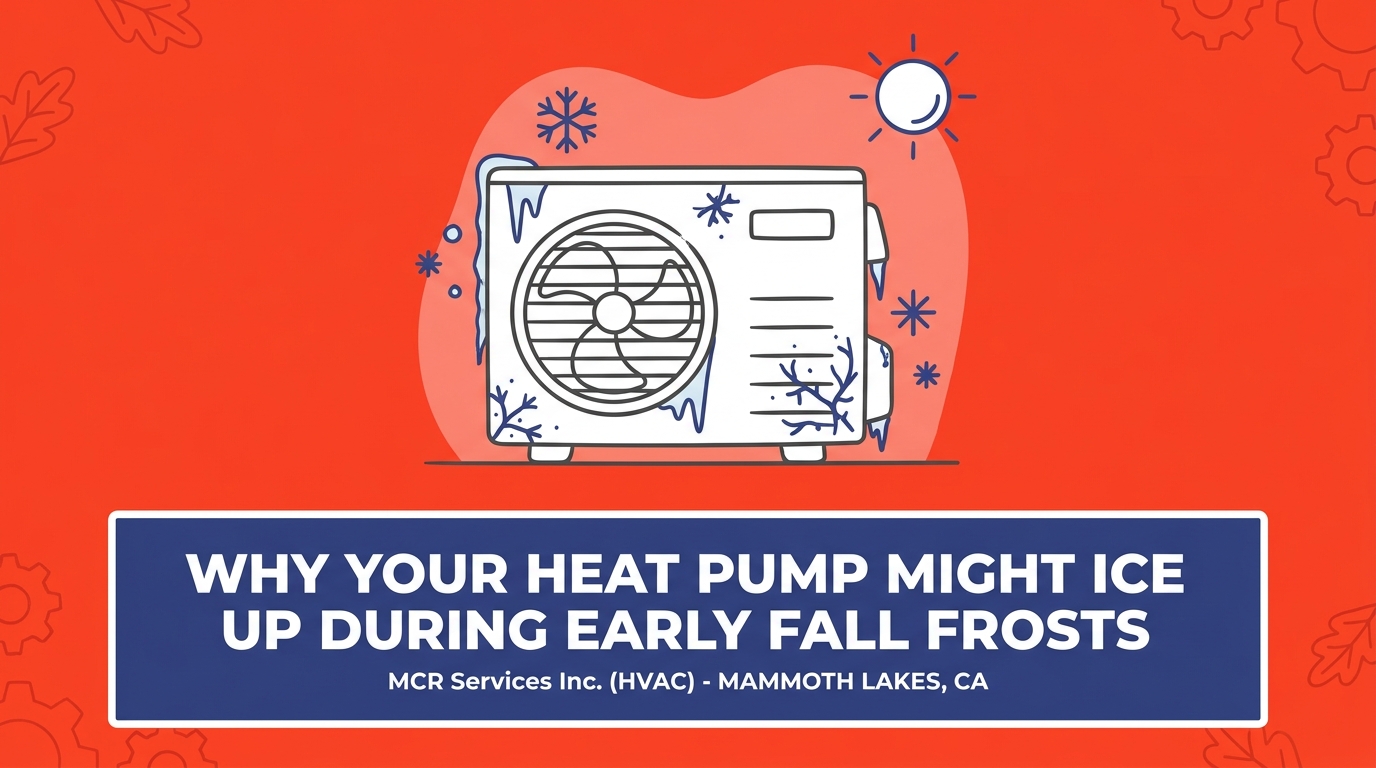
Why Your Heat Pump Might Ice Up During Early Fall Frosts
Finding frost on your outdoor unit in September often triggers panic about a major breakdown. Discover the difference between a normal seasonal defrost cycle and a true refrigerant leak.
The Mechanics of Carbon Monoxide Detection in Tightly Sealed Winter Cabins
Weatherproofing your cabin for winter traps heat, but it also traps dangerous combustion gases from aging furnaces. See why low-level monitors are essential for safety.
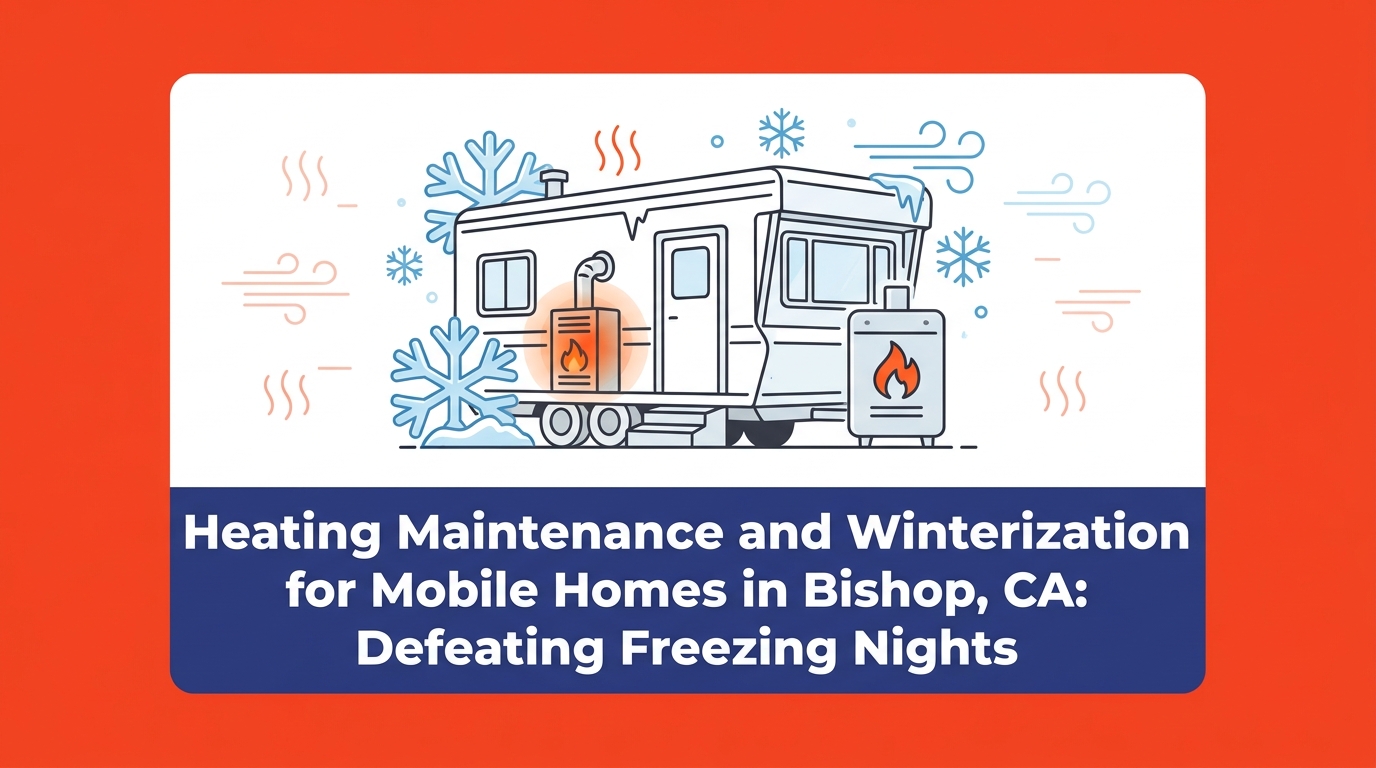
Winterizing Mobile Home HVAC Systems Against Bishop's Freezing Nights
Standard residential heating checklists ignore the exposed underbellies of manufactured housing. Protect your mobile home's ductwork before the first hard freeze hits the Eastern Sierra.